Saving money in Canada can feel challenging with today's cost of living, but building smart financial habits is the key to a secure future. Whether you're saving for a down payment, planning for retirement, or just want a solid safety net, making strategic choices is what truly makes a difference. This guide offers practical, Canadian-specific ways to save money in Canada that go beyond generic advice.
We'll explore actionable strategies for every part of your financial life. You'll learn how to use uniquely Canadian accounts like the TFSA and RRSP, automate the cancellation of wasteful subscriptions, and implement budgeting systems that actually work for your lifestyle. We'll also cover how to lower your recurring bills, optimize your debt repayment, and find government benefits you might be missing out on.
Each tip is designed for Canadians, with clear steps and relatable examples. We'll also show how modern tools like NeoSpend Inc. can simplify these processes, helping you manage your money with confidence. This isn't about cutting back on everything you enjoy; it's about making your money work smarter for you.
1. Leverage Tax-Advantaged Accounts & Automate Savings
One of the most powerful ways to save money in Canada is by using tax-advantaged accounts like the Tax-Free Savings Account (TFSA) and Registered Retirement Savings Plan (RRSP). These accounts are designed to help your money grow more efficiently by shielding it from taxes. When you pair them with automatic contributions, you create a powerful, hands-off system for building wealth.
How It Works
The strategy is simple: pay yourself first. Instead of saving what's left at the end of the month, automatically transfer a set amount from your chequing account to your TFSA or RRSP on payday. This removes the temptation to spend and turns saving into a regular habit.
- RRSP: Contributions are tax-deductible, which lowers your taxable income for the year. For example, a Canadian earning $60,000 who contributes $6,000 to their RRSP could get a tax refund of around $1,800, depending on their provincial tax rate.
- TFSA: Contributions aren't tax-deductible, but any investment growth and withdrawals are completely tax-free. A young professional putting $6,500 into their TFSA annually could see it grow to over $346,000 in 25 years (assuming a 6% average annual return), and every dollar would be theirs to keep, tax-free.
Automating contributions also helps you benefit from dollar-cost averaging—buying investments at regular intervals, which can reduce risk over time.
Actionable Tips
- Automate on Payday: Set up pre-authorized contributions for the day you get paid. This ensures the money is invested before you have a chance to spend it.
- Start with 10%: A good starting point is to automate 10% of your pre-tax income. Try to increase this by 1% each year.
- Use Payroll Deductions: If your employer offers an RRSP matching program, use it. It's free money that gets invested before it even hits your bank account.
- Check Your Contribution Room: Always check your available TFSA and RRSP contribution room on your Canada Revenue Agency (CRA) My Account to avoid penalties.
- How NeoSpend Helps: Connect your investment accounts to NeoSpend to get a real-time overview of your net worth. You can see how your automated savings are directly impacting your financial goals right alongside your daily spending.
2. Automate Bill and Subscription Management
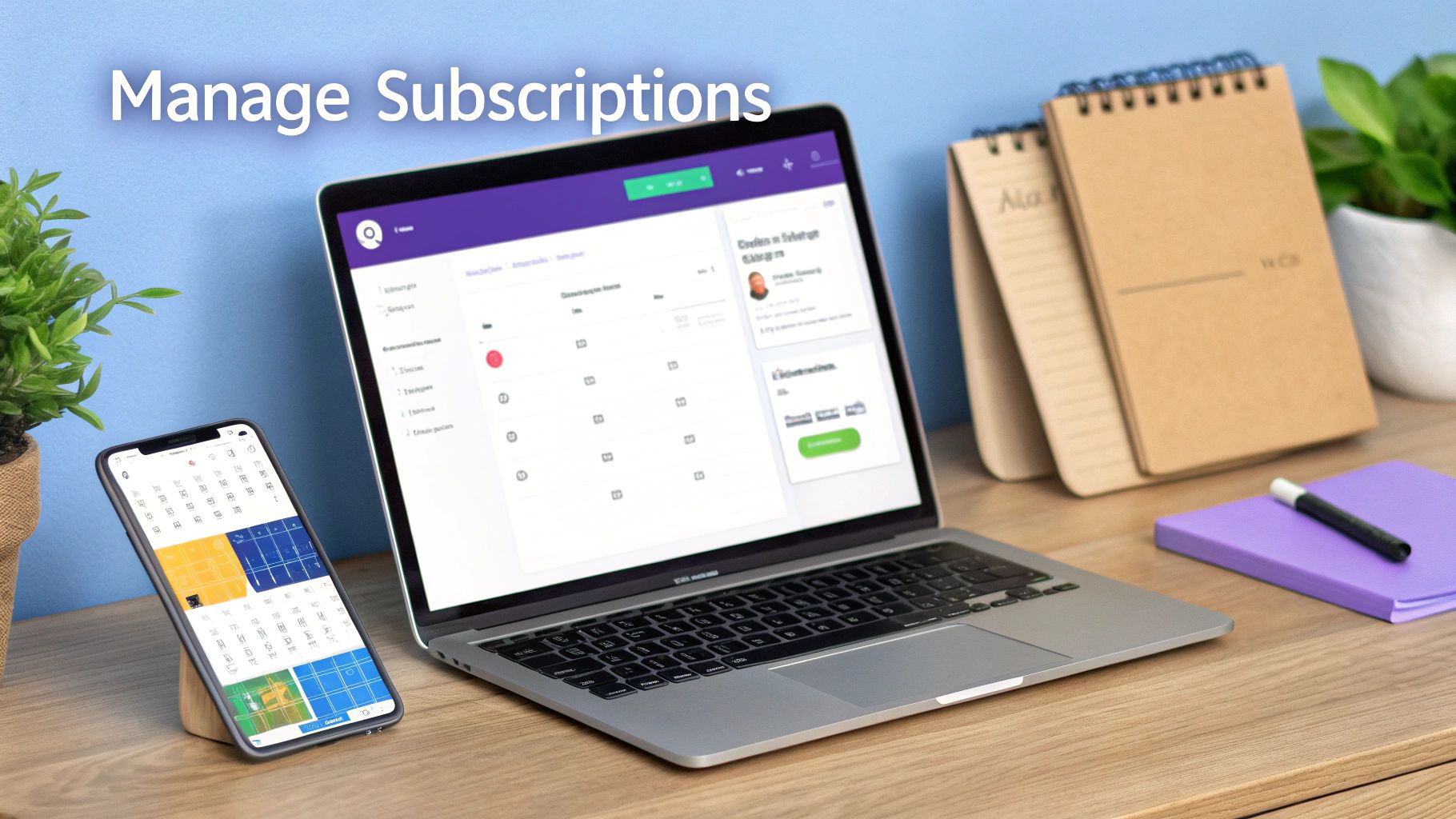
In today's digital world, "subscription creep"—the slow accumulation of monthly charges—is one of the sneakiest ways money disappears from your bank account. Automating the management of your bills and subscriptions is a powerful way to save money in Canada by catching forgotten charges, avoiding late fees, and identifying services you no longer need. This strategy puts you back in control.
How It Works
The idea is to create a central system that tracks all your recurring payments, from your hydro bill to your streaming services. An automated overview lets you spot wasted money without having to manually sift through bank statements.
- Identify Overlap: Many Canadians unknowingly pay for similar services. A family might subscribe to Netflix, Disney+, and Crave, totalling over $50 a month. By choosing just one or two, they could save over $300 a year.
- Eliminate Unused Services: It's easy to forget about a free trial that turned into a paid subscription. Catching and cancelling a single $20/month app you no longer use saves you $240 annually.
- Avoid Late Fees: Automated reminders for due dates can prevent costly mistakes. A simple alert before your internet bill is due can help you avoid a typical late fee from providers like Bell or Rogers.
This systematic approach not only saves money but also reduces financial stress by preventing unexpected charges.
Actionable Tips
- Conduct a Subscription Audit: Use a tool or a simple spreadsheet to list every recurring charge. Review it monthly and cancel anything you haven't used.
- Consolidate Services: Where possible, bundle services. Use one music streaming app or explore phone and internet bundles to lower your total cost.
- Set Calendar Reminders: For annual renewals like car insurance or a Costco membership, set a reminder one month before the renewal date to shop around and negotiate.
- How NeoSpend Helps: Connect your accounts to NeoSpend to automatically identify and track all your subscriptions in one place. The app gives you a clear dashboard of where your money is going, so you can easily spot services to cancel.
3. Implement a Clear Budgeting System
Simply tracking your expenses isn't enough; you need to direct your money where you want it to go. Budgeting methods like the 50/30/20 rule provide a clear roadmap for your finances. These strategies assign every dollar a purpose, turning your budget from a restrictive document into a powerful tool for achieving your goals.
How It Works
The goal is to create a plan for your income before the month begins. This proactive approach helps you spend with intention and highlights where money can be reallocated to savings or debt repayment.
- The 50/30/20 Rule: This popular method divides your after-tax income into three simple categories: 50% for Needs (housing, groceries, transportation), 30% for Wants (dining out, entertainment), and 20% for Savings & Debt Repayment. For someone earning $4,000 after tax per month in Calgary, this means dedicating $800 to savings and debt.
- Zero-Based Budgeting: With this strategy, your income minus your expenses equals zero. Every single dollar is assigned a job—bills, groceries, savings, or entertainment. This is great for freelancers with variable income, as it prevents overspending during high-earning months.
Actionable Tips
- Start with a Template: Use a simple spreadsheet or a budgeting app to get started. Don't aim for perfection on day one.
- Review and Refine: Check in with your budget weekly for the first month to make adjustments, then switch to a monthly review. Consistency is what matters.
- Build a Buffer: Create a "Miscellaneous" or "Unexpected" category for small, unplanned expenses to avoid breaking your budget.
- Adjust for Your Life Stage: If you're focused on paying off student loans, you might adjust to a 50/20/30 split, prioritizing debt repayment over wants.
- How NeoSpend Helps: NeoSpend can automatically categorize your spending to show you how it aligns with the 50/30/20 rule. Set custom alerts to get notified when you’re approaching a category limit, helping you stay on track.
4. Track and Negotiate Your Fixed Expenses
Many Canadians set their fixed expenses like insurance, internet, and phone bills on auto-pilot, but this can cost you thousands over time. By spending a few hours each year reviewing and renegotiating these recurring costs, you can often unlock significant savings of 10-20% without changing your lifestyle. This is one of the easiest ways to save money in Canada.
How It Works
The strategy is to systematically review your monthly and annual bills and then contact your service providers to ask for a better rate. Companies often have retention offers, loyalty discounts, or new promotions they won't advertise. Armed with competitor quotes, you gain powerful leverage to negotiate a lower price for the same service.
- Insurance: A homeowner in Ontario who spends 30 minutes comparing home insurance quotes online might discover they are overpaying and save $500 per year just by switching or having their current provider match a competitor's rate.
- Telecommunications: A family in Vancouver could call their internet provider, mention a competitor's offer for the same speed, and receive a $20 monthly discount to stay, saving $240 a year without the hassle of switching.
This small investment of time directly reduces your cost of living, freeing up cash for savings or debt repayment.
Actionable Tips
- Schedule an Annual Review: Set a calendar reminder each year to review all your fixed expenses.
- Gather Competitor Quotes: Before calling your provider, get quotes from at least two competitors to use as leverage.
- Ask the Right Questions: When you call, don't just ask for a discount. Ask, "What loyalty discounts am I eligible for?" or "Can you match this competitor's rate of $60/month?"
- Bundle for Savings: Ask about bundling services like home and auto insurance or internet and mobile plans to unlock multi-policy discounts.
- How NeoSpend Helps: Use the NeoSpend app’s bill tracking feature to get a clear list of all your recurring fixed expenses. After renegotiating, you can monitor the direct impact of your savings within the app and see how lower bills contribute to your financial goals.
5. Reduce and Optimize Debt Repayment
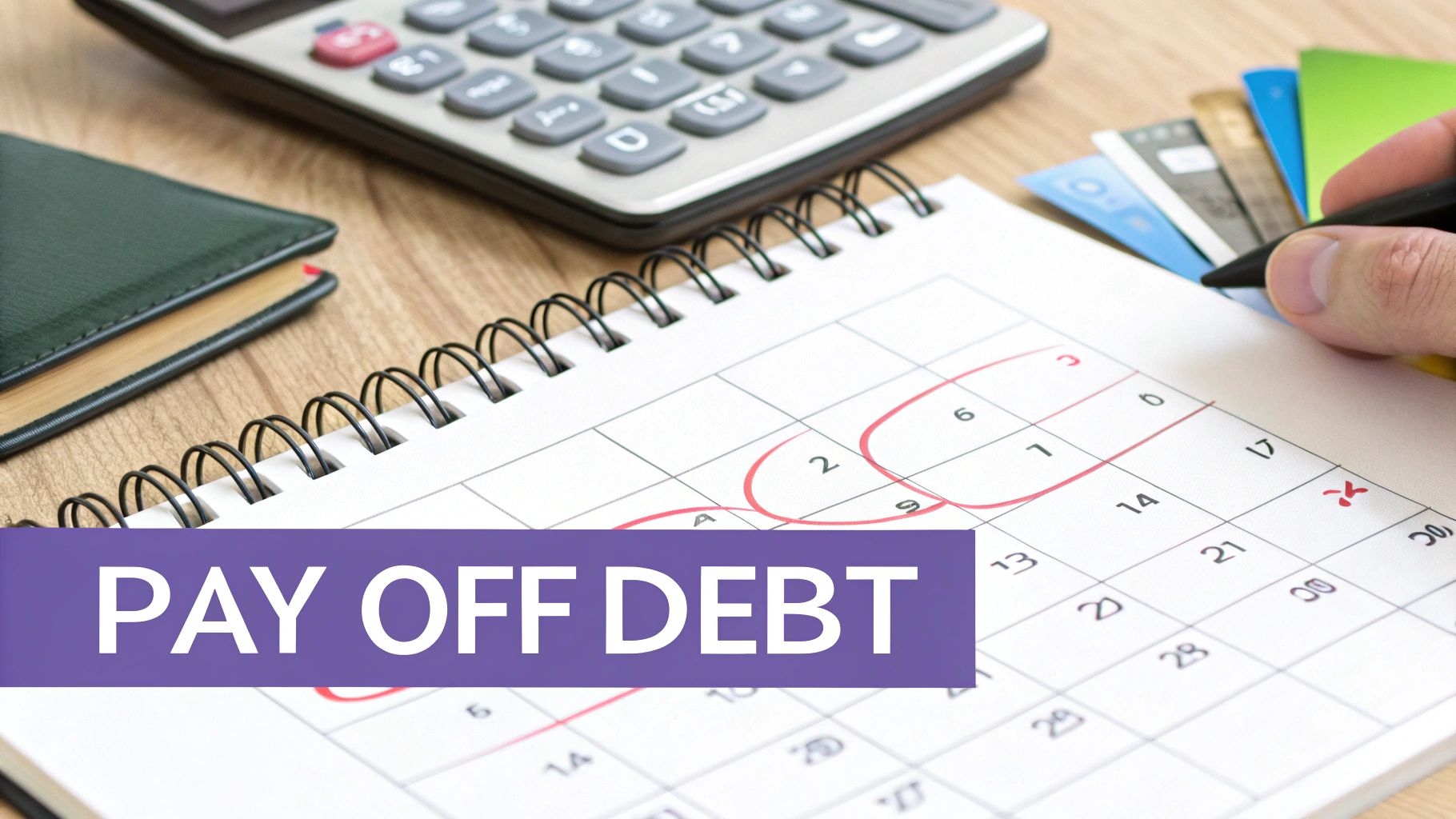
High-interest debt, especially from credit cards, is a major barrier to saving money in Canada. It actively works against your efforts to build wealth. By creating a strategic plan to tackle these balances, you can save thousands of dollars in interest and free up your cash flow much sooner.
How It Works
The key is to pay more than the minimum and focus your efforts where they will have the most impact. Instead of spreading extra funds thinly across all debts, you target one debt aggressively while making minimum payments on the others. This accelerates your repayment and drastically reduces the total interest you pay.
- Debt Avalanche Method: You direct all extra cash toward the debt with the highest interest rate first. A Canadian with a $10,000 credit card debt at 20% who pays an extra $300 a month could save over $8,000 in interest and be debt-free years sooner.
- Debt Consolidation: This involves combining multiple high-interest debts into a single, lower-interest loan. Consolidating three credit cards into one 8% personal loan could save you thousands in interest and simplify your monthly payments.
Once the first debt is gone, you roll that entire payment amount onto the next debt, creating a powerful snowball effect that clears your balances faster.
Actionable Tips
- List Your Debts: Create a list of all your debts, including the balance, interest rate, and minimum payment.
- Choose Your Method: The debt avalanche (highest interest rate first) saves the most money. The debt snowball (smallest balance first) can provide quick motivational wins.
- Look for Balance Transfers: Investigate credit cards offering a 0% introductory rate on balance transfers. Transferring a $5,000 balance can help you pay it off interest-free during the promotional period.
- Automate Extra Payments: Set up automatic bi-weekly or monthly payments that are higher than the minimum to ensure consistent progress.
- How NeoSpend Helps: Link your loan and credit card accounts to NeoSpend to visualize your total debt decreasing. Seeing your progress in one place can be a powerful motivator to stay on track.
6. Harness Employer Benefits and Matching Programs
Your salary is only one part of your total compensation. One of the most overlooked ways to save money in Canada is to fully leverage the benefits your employer offers. These programs, from retirement matching to health subsidies, represent real financial value that can reduce your expenses and accelerate your savings.
How It Works
This strategy involves treating your employee benefits as a core part of your financial plan. Many companies offer valuable perks to attract and retain talent, and it's up to you to use them. The most powerful of these is often an RRSP matching program, which is essentially free money.
- RRSP Matching: If your employer offers to match your RRSP contributions up to a certain percentage, contributing enough to get the full match is crucial. An employee earning $70,000 with a 4% match who fails to contribute is leaving $2,800 of free money on the table every single year.
- Health & Dental Plans: Using your employer-provided plan for routine dental cleanings, prescriptions, vision care, and physiotherapy can save you hundreds, if not thousands, annually. Using your plan for two dental cleanings and a filling could easily save you over $600 compared to paying out-of-pocket.
Many employers also offer wellness accounts, professional development funds, and discounted stock purchase plans that can further improve your financial well-being.
Actionable Tips
- Claim the Full Match: Always contribute enough to your RRSP to get 100% of your employer's match. It’s an immediate, guaranteed return on your investment.
- Review Your Benefits Annually: Take time each year to thoroughly review your benefits package. Make a list of all covered services and any spending account deadlines.
- Use It or Lose It: Maximize your group health, dental, and wellness accounts. Many of these benefits don't roll over, so be sure to book appointments before your plan’s year-end.
- Calculate Total Compensation: When comparing job offers, look beyond the salary. Calculate the total value, including the RRSP match, health plan, and other financial perks.
- How NeoSpend Helps: While your employer’s contributions happen separately, you can use NeoSpend to see the full picture of your retirement savings growth. By linking your personal RRSP, you can track your progress toward your financial goals more accurately.
7. Build and Maintain an Emergency Fund
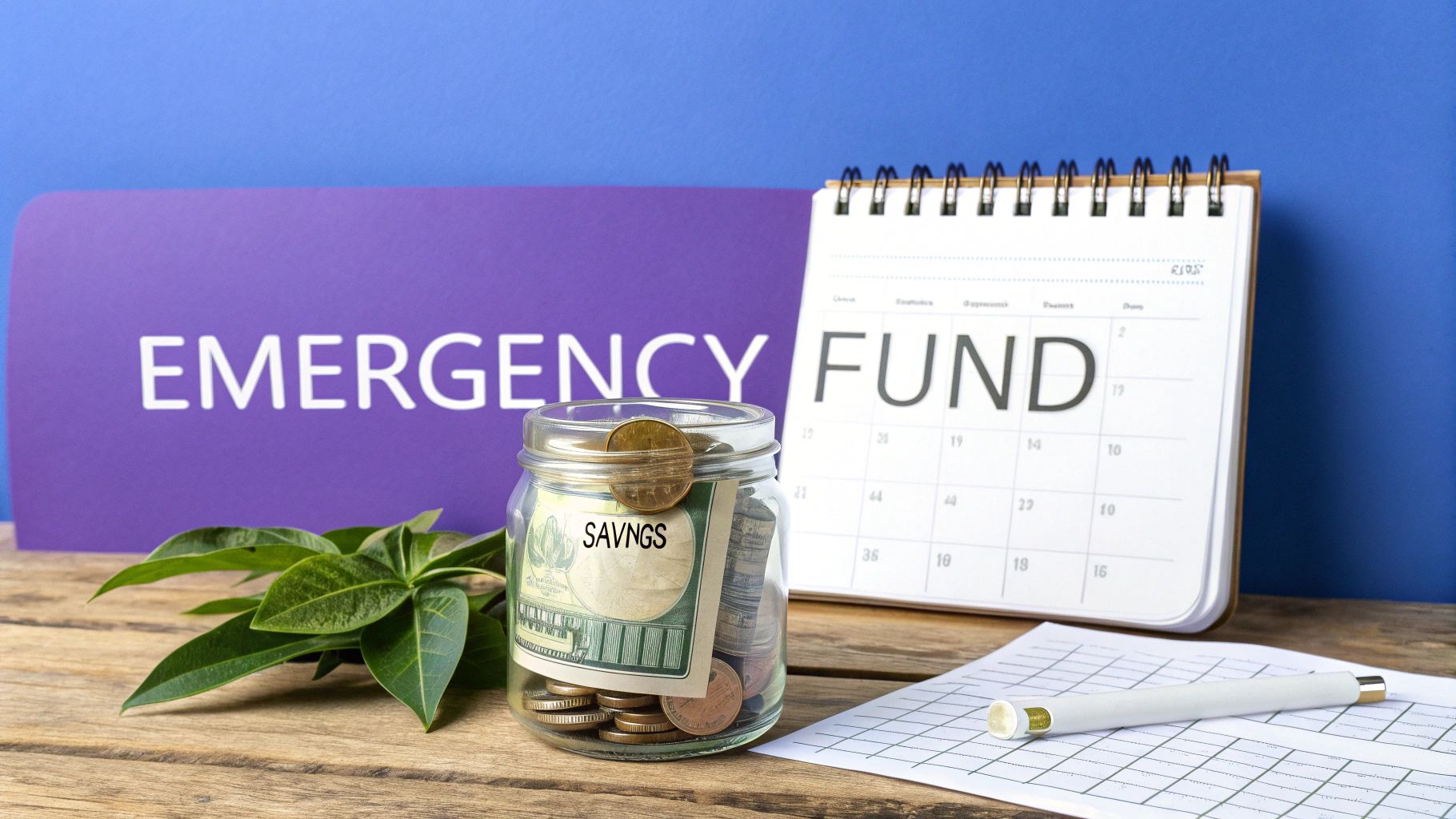
One of the most essential ways to save money in Canada and protect your financial stability is by creating a dedicated emergency fund. This isn't about investing for the future; it's about creating a cash buffer to handle life's expensive surprises—like a job loss, urgent home repair, or unexpected medical bill—without derailing your long-term goals or turning to high-interest debt.
How It Works
The goal is to set aside three to six months' worth of essential living expenses in an easily accessible account. This includes your rent or mortgage, utilities, groceries, and transportation—not discretionary spending. This fund ensures you can cover your core costs if your income suddenly stops.
- Financial Shock Absorber: A homeowner with a good emergency fund can cover a sudden $5,000 roof repair without using a credit card, potentially saving over $1,000 in interest charges.
- Income Stability: A freelancer with a six-month fund can confidently turn down low-paying projects, knowing their core expenses are covered during slower periods.
- Job Loss Protection: An individual with $3,000 in monthly expenses and a $12,000 fund can navigate a three-month job search without a financial crisis, focusing on finding the right role instead of just any role.
By keeping this money separate from your daily chequing account, you create a barrier that prevents you from dipping into it for non-emergencies.
Actionable Tips
- Start with $1,000: Aim to save your first $1,000 quickly. This "starter fund" can cover most common minor emergencies and give you momentum.
- Automate Your Savings: Set up automatic transfers of 5-10% of your paycheque into a separate High-Interest Savings Account (HISA) until you reach your goal.
- Choose the Right Account: Park your fund in a HISA where it can earn competitive interest, rather than a standard savings account. This helps your money keep up with inflation.
- Rebuild Immediately: If you use your emergency fund, make replenishing it your top priority. Pause other savings goals temporarily to rebuild your safety net.
- How NeoSpend Helps: Create a specific savings goal for your emergency fund in the NeoSpend app. By linking your HISA, you can visually track your progress and stay motivated as you build your financial security.
8. Optimize Spending Through Strategic Shopping
One of the most powerful ways to save money in Canada is to change how you shop, not just what you buy. By strategically comparing prices, using loyalty programs, and planning purchases, you can turn routine spending into a savings engine. This approach focuses on small, smart adjustments that add up to big savings over the year.
How It Works
The core idea is to never accept the first price you see. Instead, actively seek out the best value. This means comparing grocery flyers, using cashback credit cards, choosing store brands for staple items, and timing large purchases to coincide with seasonal sales.
- Strategic Grocery Shopping: A family in Toronto checks weekly flyers from Loblaws, Metro, and No Frills, saving an average of $40 per month ($480 per year) just by planning their shopping list around sales.
- Cashback Maximization: By using a credit card that offers 3% cashback on groceries and gas, someone spending $800 a month in these categories earns $288 in "free" money each year.
- Store Brand Savings: A household saves over $50 a month by switching to generic brands for items like pasta, cleaning supplies, and cereal, which are often 25% cheaper than their name-brand counterparts.
Actionable Tips
- Use Comparison Tools: Before any major purchase, use Canadian price comparison websites to ensure you're getting the best market rate.
- Stack Your Rewards: Maximize savings by using a cashback credit card at a store where you have a loyalty card (like PC Optimum or Scene+) during a promotional event.
- Buy Store Brands: For many items, the store brand (like No Name or President's Choice) offers comparable quality for a much lower price.
- Plan Your Purchases: For big-ticket items like a new TV or appliance, use price-tracking websites to set an alert. You'll get notified when the item goes on sale.
- How NeoSpend Helps: Connect your bank accounts to NeoSpend to identify your largest spending categories. Focus your price comparison and reward-stacking efforts there for the biggest impact.
9. Reduce Energy and Utility Costs at Home
One of the most practical ways to save money in Canada is by tackling your recurring utility bills. By combining small behavioural changes with smart home efficiency investments, you can significantly reduce your monthly energy and water consumption, leading to hundreds of dollars in annual savings.
How It Works
The strategy has two parts: no-cost habit adjustments and low-cost, high-impact upgrades. You start by changing how you use energy and then reinvest some of the savings into permanent improvements like better insulation or a smart thermostat. These upgrades often pay for themselves quickly and provide ongoing returns.
- Behavioural Changes: A family that lowers its thermostat by 2°C in the winter and runs the dishwasher only when full can save hundreds of dollars a year with zero investment. An Albertan on a time-of-use electricity plan can save money just by doing laundry during off-peak hours.
- Efficiency Investments: A homeowner who installs a smart thermostat for under $200 can reduce heating costs by up to 15%, saving over $200 a year on natural gas. Upgrading old light bulbs to LEDs can cut lighting costs by 80%.
This two-pronged attack delivers both immediate and long-term financial benefits.
Actionable Tips
- Get an Energy Audit: Many local utility providers and governments offer subsidized energy audits to pinpoint your home's biggest energy-wasting culprits.
- Weatherize Your Home: Spend a weekend sealing air leaks around windows and doors with caulk and weatherstripping. This small investment can save you $100-200 per year.
- Install a Smart Thermostat: Program it to be cooler in the winter and warmer in the summer when you are asleep or away.
- Eliminate Phantom Loads: Unplug electronics and chargers when not in use. These "phantom" loads can account for 5-10% of your total electricity bill.
- How NeoSpend Helps: Link your utility accounts or manually track your bills in NeoSpend to monitor your monthly spending. Use the app’s insights to see how each efficiency upgrade you make translates into real dollar savings.
10. Maximize Income Through Side Hustles
While cutting expenses is crucial, one of the most powerful ways to save money in Canada is to increase your income. Monetizing your skills through freelancing, consulting, or starting a small side business can dramatically accelerate your financial goals. This extra income, when channelled into savings or investments, can help you build wealth much faster.
How It Works
The strategy is to identify a skill you have that others will pay for and create a new income stream. By dedicating a few hours each week to a side hustle, you can generate extra cash to put directly toward your biggest financial goals.
- Active Income: A Canadian software developer who freelances 10 hours a week at $75/hour can generate an extra $3,000 per month. This money could be used to max out their TFSA and RRSP contributions each year.
- Passive Income: A graphic designer who creates and sells digital templates on Etsy can generate over $500 a month in passive income after the initial time investment. This creates a revenue source that isn't tied directly to their time.
This approach turns your skills into assets, providing both financial growth and a safety net against job loss.
Actionable Tips
- Monetize Your Skills: Start with skills you already have, like writing, graphic design, tutoring, or coding. This has the lowest barrier to entry.
- Test the Market: Use platforms like Upwork, Fiverr, or even local Facebook groups to test demand for your services before investing significant time or money.
- Focus on High-Value Work: If your time is limited, prioritize high-value services like consulting or specialized coaching to maximize your hourly earnings.
- Set Income Aside for Taxes: Remember that you'll need to pay taxes on your side hustle income. A good rule of thumb is to set aside 25-30% of everything you earn.
- How NeoSpend Helps: Create a separate budget for your side hustle in NeoSpend. Meticulously track all income and business-related expenses to simplify tax filing and accurately measure your profitability.
Key Takeaway: Start Small and Stay Consistent
Saving money in Canada is not about making drastic sacrifices overnight. It's about building a series of small, sustainable habits that compound over time. The key is to start with one strategy that feels manageable and build from there. Whether it's cancelling one unused subscription today, setting up a $50 automatic transfer to your savings account, or finally calling your internet provider to ask for a better rate, every small action moves you closer to financial control.
The most powerful tool you have is awareness. By understanding where your money is going, you gain the power to direct it intentionally toward the life you want to build.
Ready to see your entire financial picture in one place? Explore how NeoSpend Inc. can help you track your spending, manage your bills, and build smarter financial habits today.