Understanding the difference between fixed and variable expenses is the first step toward mastering your money. While fixed costs like rent or a car payment stay the same each month, variable expenses are the chameleons of your budget. These are the costs that change based on your usage, lifestyle choices, and daily activities. From your weekly grocery haul in Vancouver to your winter hydro bill in Montreal, these fluctuating costs can easily derail your financial goals if left untracked.
This article provides a practical list of common examples of variable expenses tailored for Canadians, offering actionable insights to help you gain control. We will break down everyday spending categories, including groceries, transportation, and entertainment, showing you not just what they are but how to manage them effectively with tools like NeoSpend.
By identifying where your money goes, you can make smarter decisions, find savings opportunities, and build a more resilient budget. Gaining command over these expenses is crucial for anyone looking to save more, invest wisely, or simply feel more secure in their financial life. You'll learn how to transform unpredictable spending into a powerful tool for achieving your goals.
1. Subscription Services (Streaming, Software, Apps)
In today's digital world, subscription services are a major example of variable expenses for many Canadians. These recurring charges for services like Netflix, Crave, Spotify, and various fitness apps seem small individually but can add up to a significant monthly outlay.
They are classified as variable expenses because you have direct control over them. You can add a new streaming service for a specific show or cancel a gym app you no longer use, causing your total monthly spending in this category to fluctuate. This flexibility is convenient but also creates a common budget leak: the dreaded "subscription creep."
The Challenge of Subscription Creep
Many of us sign up for free trials and forget to cancel, or we hold onto subscriptions we barely use. A young professional in Toronto might have subscriptions for Netflix, Crave, Spotify, a meal-kit service, and cloud storage, easily totalling over $100 per month. Without active management, these costs can silently drain your budget.
Strategic Insight: The key to managing subscriptions is treating them not as fixed, untouchable bills but as active choices you reaffirm regularly. A quarterly audit is a powerful habit to build.
Actionable Tips for Managing Subscriptions
To get a firm handle on these variable costs, you need a clear system.
- Audit and Track: Use an app like NeoSpend to get an automated, comprehensive list of all your recurring payments. This often uncovers forgotten services you're still paying for.
- Consolidate and Downgrade: Review your list for overlaps. Do you need both Crave and Disney+ if your family only watches one? Could you switch from an individual Spotify plan to a more cost-effective family or duo plan?
- Set Renewal Reminders: For annual subscriptions, set a calendar reminder one week before the renewal date. This gives you time to evaluate the service’s value and decide whether to continue.
- Leverage Alerts: Smart budgeting tools like NeoSpend can notify you of upcoming subscription payments, keeping these costs top-of-mind and helping you catch any unexpected price increases.
2. Groceries and Food Shopping
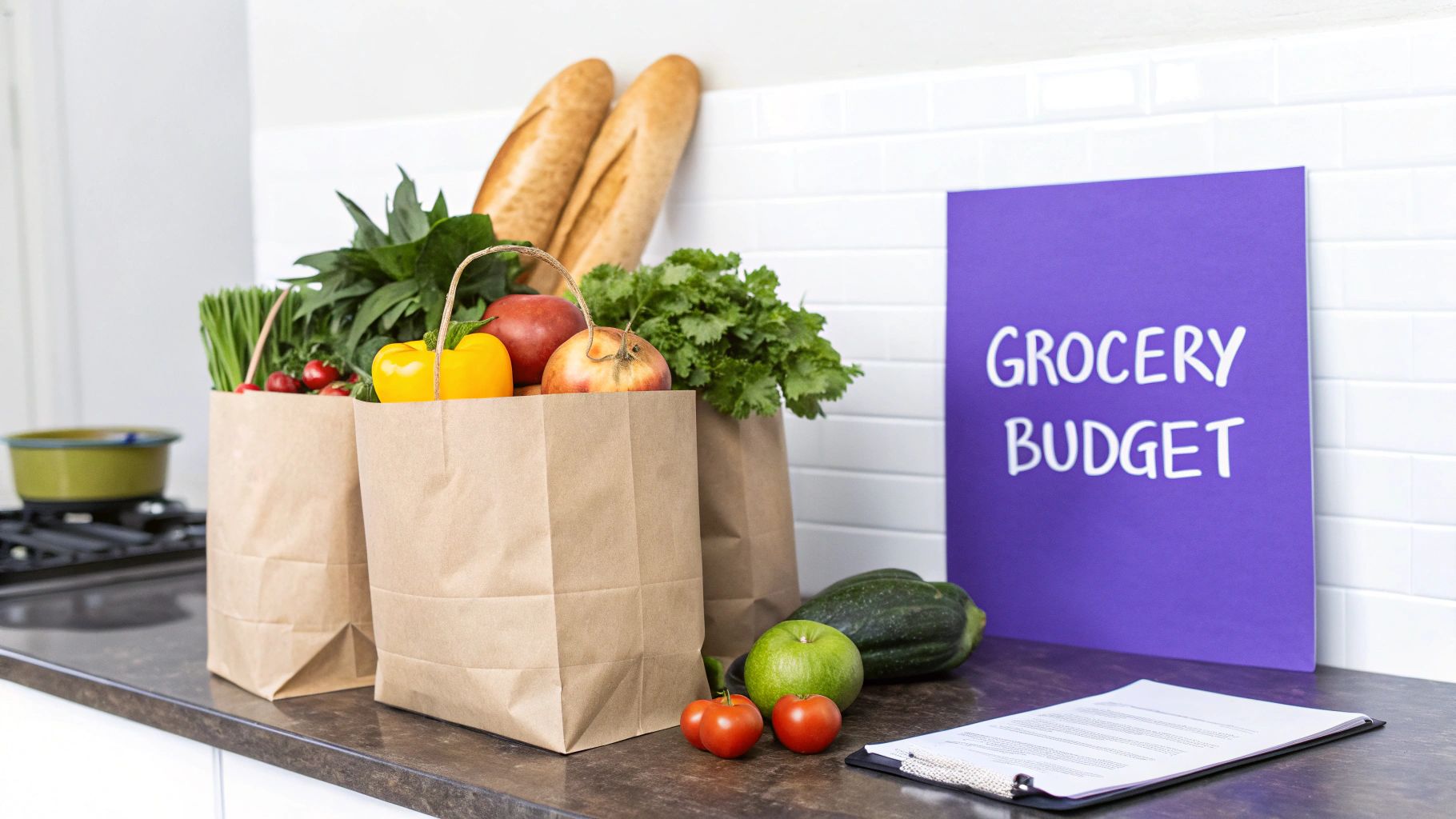
For nearly every Canadian household, groceries are a primary example of variable expenses. Unlike a fixed rent payment, your weekly food bill can swing dramatically based on factors like seasonal produce prices, dietary choices, and whether you're taking advantage of flyers at stores like Loblaws or Sobeys.
This spending category is highly controllable yet often feels unpredictable. A family of four might spend $150 one week by sticking to a strict meal plan, but that could jump to over $250 the next with a bulk trip to Costco or a few unplanned premium purchases. Because food is a necessity, mastering this variable expense is fundamental to a healthy budget.
The Challenge of Mindful Spending
The biggest hurdle with groceries is balancing needs, wants, and impulse buys. It's easy to walk into a store for milk and bread but leave with $50 of unplanned snacks. A young professional in Vancouver might find their grocery bill inflated by frequent purchases of organic produce, while a family might struggle with "pantry-loading" when sales are on, disrupting their monthly cash flow.
Strategic Insight: Your grocery bill isn't just a number; it's a collection of hundreds of small decisions. Gaining control means shifting from reactive shopping to proactive planning.
Actionable Tips for Managing Groceries
To transform your grocery spending from a budget wild card into a predictable expense, implement a consistent strategy.
- Plan and List: Create a weekly meal plan based on what you already have and what's on sale. Always shop with a detailed list to curb impulse purchases.
- Track and Tag: Use NeoSpend to automatically tag all transactions from stores like Metro, Save-On-Foods, and No Frills under a "Groceries" category. This reveals your true average spending and highlights which weeks you go over budget.
- Leverage Loyalty Programs: Make the most of programs like PC Optimum and Scene+. Check their apps for personalized weekly offers before you shop to maximize points and get discounts on items you were already planning to buy.
- Set Budget Alerts: Within NeoSpend, set a monthly budget for your grocery category. The app will notify you as you approach your limit, empowering you to make smarter spending choices for the rest of the month.
3. Utilities (Electricity, Gas, Water)
While often treated like fixed costs, utilities are a classic example of variable expenses that can significantly impact a Canadian household's monthly budget. These essential services, including electricity (hydro), natural gas, and water, have costs that fluctuate based on consumption and seasonal demand.
Utilities are classified as variable expenses because your usage directly influences the final bill. Cranking up the air conditioning during a summer heatwave in Ottawa or running the furnace during a frigid Calgary winter will cause a noticeable spike in your spending. This inherent unpredictability makes active management crucial.
The Challenge of Seasonal Spikes
Many Canadians are caught off guard by seasonal utility spikes. A household might budget for an average $80 monthly hydro bill, only to see it jump to over $180 in the coldest winter months. Similarly, a rural home relying on propane for heating could see its monthly energy costs soar when temperatures plummet. This volatility can derail even the most carefully planned financial goals.
Strategic Insight: The key to managing utilities is to shift from reactive bill-paying to proactive consumption monitoring. Understanding your seasonal usage patterns allows you to prepare for higher-cost months.
Actionable Tips for Managing Utilities
To gain control over these fluctuating costs, you need to be both efficient and strategic.
- Audit and Compare: Annually review your energy providers where possible. Tagging each utility bill in NeoSpend creates a clear historical record, making it easy to compare year-over-year costs.
- Enrol in Budget Billing: Most utility providers in Canada offer equalized or budget billing plans. These programs average your estimated annual cost into equal monthly payments, eliminating seasonal shocks and making your cash flow much more predictable.
- Monitor and Adjust: Use smart thermostats to optimize your heating and cooling schedules. Many hydro providers also have apps or online portals with hourly usage data, helping you identify and reduce energy-intensive habits.
- Forecast with Alerts: Use NeoSpend to tag all your utility payments. The app can then help you analyze seasonal spending trends and set up alerts for upcoming bills, ensuring you have enough funds set aside for those high-cost months.
4. Transportation and Fuel
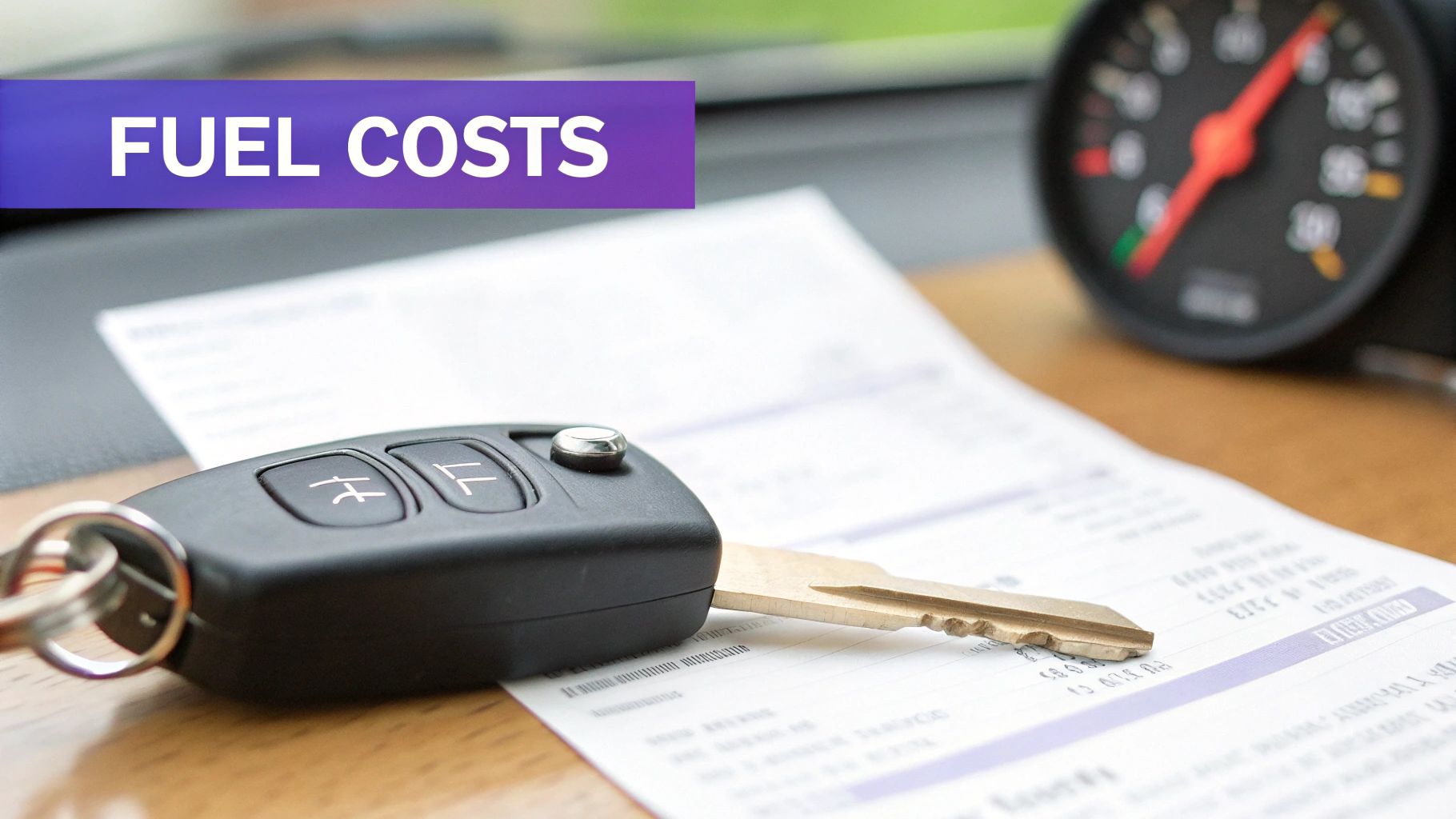
For many Canadians, particularly those outside major urban centres, transportation is a significant and highly unpredictable example of variable expenses. Costs like fuel, public transit, ride-sharing services (Uber, Lyft), and parking fluctuate based on usage, global oil prices, and personal habits.
This category is a classic variable expense because your choices directly impact the final monthly cost. Driving more, a spike in gas prices, or choosing a ride-share during peak hours can all cause your transportation spending to swing dramatically. For vehicle owners, fuel alone often represents one of the largest and most volatile spending categories.
The Challenge of Fluctuating Costs
The unpredictability of transportation costs makes budgeting difficult. A commuter in the GTA might see their monthly fuel bill jump based on gas price fluctuations alone. A Toronto resident might rely on a monthly Presto pass but spend an extra $100 on Ubers due to unpredictable weather or late-night events. Without careful tracking, these costs can easily derail a budget.
Strategic Insight: The key to managing transportation costs is to move from reactive spending to proactive planning. Understanding your travel patterns and anticipating price changes allows you to take control.
Actionable Tips for Managing Transportation Costs
To get a firm handle on these variable costs, you need a clear system for tracking and optimization.
- Track and Analyze: Use NeoSpend to automatically categorize every fuel purchase, transit tap, and ride-share charge. This provides a clear picture of where your money is going and reveals your true monthly transportation costs.
- Plan Your Fill-Ups: Leverage fuel price apps to find the cheapest gas in your area. Filling up mid-week instead of on a busy long weekend can often save you money.
- Combine and Optimize Trips: Reduce unnecessary driving by combining errands into a single, efficient trip. This simple habit minimizes fuel consumption and wear and tear on your vehicle.
- Set Budget Alerts: Create a transportation category in NeoSpend and set a monthly spending limit. You'll receive alerts as you approach your threshold, giving you a chance to adjust your habits before you overspend.
5. Dining Out and Takeout
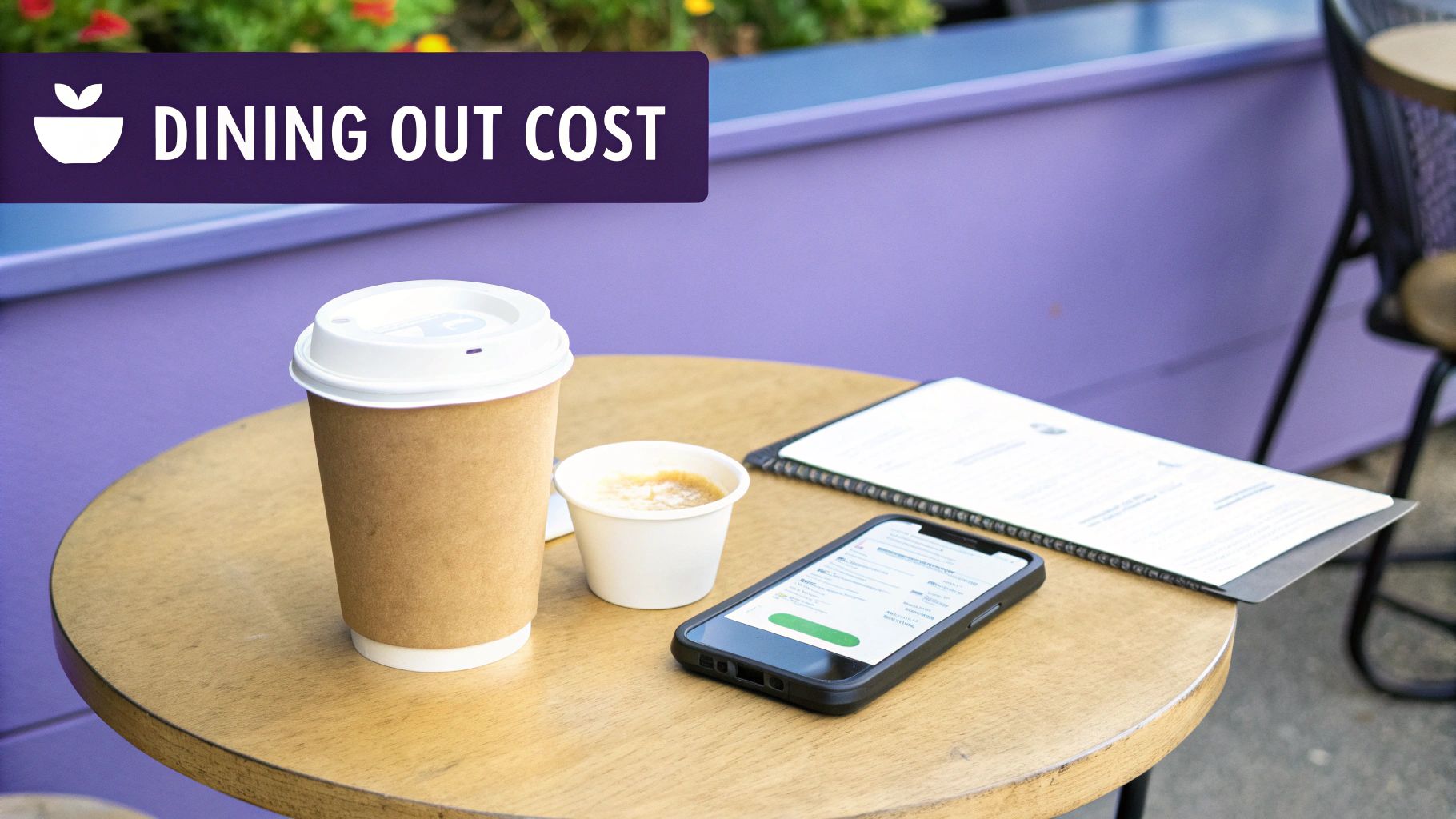
From a morning Tim Hortons run to ordering in after a long day, spending on restaurants and takeout is a classic example of variable expenses for most Canadians. This category includes everything from grabbing lunch with colleagues to using services like SkipTheDishes or Uber Eats, and it's heavily influenced by social plans and daily habits.
Because these purchases are discretionary, you have complete control over how much you spend, making this category fluctuate significantly month-to-month. A busy single professional in Montreal might spend $400 a month on coffee, lunches, and weekend dinners, while a family in Calgary could easily spend $500 on a few weekly takeout orders. This flexibility also makes it one of the easiest areas to cut back when tightening your budget.
The Challenge of Mindless Spending
The primary issue with dining out is how quickly small, seemingly insignificant purchases add up. A $5 specialty coffee here and a $20 delivery order there can accumulate into a surprisingly large sum by the end of the month. This spending is often done without a clear understanding of the total monthly impact, creating a major budget leak.
Strategic Insight: The most effective way to manage food spending is to shift it from a series of impulse buys into a planned, intentional part of your budget. Awareness is the first step toward control.
Actionable Tips for Managing Dining Costs
To master this highly variable expense, you need to track it diligently and make conscious choices.
- Track Every Transaction: Use NeoSpend to automatically categorize every restaurant, coffee shop, and food delivery purchase. Seeing the true total is often the motivation needed to make a change.
- Set Clear Budget Limits: Create a dedicated "Dining Out" budget category in NeoSpend and set a realistic monthly limit. Enable spending alerts to notify you when you’re approaching your threshold.
- Calculate the 'Convenience Tax': Compare the cost of a week's worth of delivered lunches to the cost of groceries for meal prepping. Understanding the premium you pay for convenience can inspire you to pack a lunch more often.
- Limit Delivery Services: Reserve food delivery for special occasions rather than regular meals. This simple rule drastically reduces high delivery fees, service charges, and tips that inflate the cost of your food.
6. Personal Care and Beauty
From haircuts and salon services to cosmetics and skincare, personal care is a classic example of variable expenses. These costs fluctuate significantly based on your habits, brand preferences, and the frequency of professional services. A simple haircut one month can be followed by a more expensive salon treatment the next, making this category a common source of budget surprises.
This spending is variable because you directly control every aspect of it. You decide when to get a haircut, which skincare brand to purchase, or whether to indulge in a manicure. A professional in Vancouver might spend $200 one month on a salon visit and products, while a university student might spend less than $50 on essential items from Shoppers Drug Mart.
The Challenge of Unconscious Spending
Personal care spending often happens in small, frequent transactions: a new lipstick here, a bottle of shampoo there, a quick trim at the barber. These individual purchases can seem minor, but they accumulate rapidly. It's easy to underestimate your total monthly outlay without a dedicated tracking system, leading to a budget shortfall at the end of the month.
Strategic Insight: The most effective way to manage personal care costs is to create a specific, intentional budget for this category and treat it as a planned expense rather than a series of spontaneous purchases.
Actionable Tips for Managing Personal Care Costs
Gaining control over this variable expense requires mindful planning and smart shopping habits.
- Set a Dedicated Budget: Use NeoSpend to create a "Personal Care" category and assign a monthly spending limit. Tracking every purchase against this target will provide immediate clarity and prevent overspending.
- Space Out Services: Extend the time between expensive appointments. Can you go an extra two weeks between haircuts or schedule salon treatments quarterly instead of bimonthly? This simple adjustment can significantly reduce annual costs.
- Buy Smarter, Not Cheaper: Focus on value. Look for multi-use products to reduce the number of items you need to buy. Use loyalty programs like PC Optimum to get deals on your favourite brands.
- Audit Your Routine: Regularly review your product shelf. Are you using everything you buy? Cancel any beauty subscription boxes that deliver more products than you can use, freeing up cash for items you truly need.
7. Entertainment and Recreation
Spending on entertainment and recreation is a classic example of variable expenses, as it is almost entirely driven by personal choice and social plans. From tickets to a Toronto Raptors game to a weekend camping trip in Banff National Park, these costs are highly discretionary and can fluctuate dramatically from one month to the next.
This category is variable because you have complete control over it. You decide whether to buy concert tickets, go to the cinema, or purchase a new video game. Unlike fixed expenses like rent, your spending here is a direct reflection of your lifestyle choices, making it a key area for potential savings but also a common source of budget overruns if left untracked.
The Challenge of Spontaneous Spending
It's easy to overspend on entertainment. A last-minute decision to see a movie with friends or an invitation to a concert can all lead to unplanned expenses. A family in Calgary might spend $150 on a day trip to the zoo one month but over $500 the next on festival tickets and dining out, making consistent budgeting difficult without a clear plan.
Strategic Insight: The goal isn't to eliminate fun; it's to fund it intentionally. By creating a dedicated entertainment budget, you give yourself permission to spend guilt-free within predefined limits.
Actionable Tips for Managing Entertainment Costs
To enjoy your leisure time without derailing your budget, you need a proactive approach.
- Create a Fun Fund: Allocate a specific amount for entertainment in your monthly budget using NeoSpend's categorization tools. This helps you see exactly where your money is going.
- Plan Ahead for Big Events: For expensive items like concert tickets or sports events, plan and save in advance. Use early-bird pricing and pre-sales to secure better deals.
- Explore Low-Cost Options: Mix in free and affordable activities. Take advantage of Canada's beautiful parks, visit local museums on free-admission days, or use your library card for free access to books and movies.
- Track Every Purchase: Use NeoSpend to automatically track all your entertainment-related spending, from a $5 coffee during a walk to a $150 concert ticket. This comprehensive view prevents small purchases from breaking your budget.
8. Clothing and Fashion
Spending on apparel, shoes, and accessories is a classic example of variable expenses that can significantly impact a Canadian household's budget. From seasonal wardrobe updates to back-to-school shopping, these costs are highly discretionary and fluctuate based on personal habits, life events, and retail trends.
This category is a variable expense because you have total control over when and how much you spend. You can decide to buy a new winter coat, skip a seasonal sale, or invest in a high-quality suit for work. The fragmented nature of this spending makes it deceptively easy to overspend without a clear tracking system.
The Challenge of "Wardrobe Drift"
Many of us fall into "wardrobe drift," where small, unplanned purchases throughout the month accumulate into a surprisingly large expense. A professional in Calgary might spend $250 on new work attire, while a family in Halifax could easily spend over $500 on seasonal clothing for their children. These costs, often driven by marketing emails, can derail your financial goals if left unmanaged.
Strategic Insight: A powerful way to control clothing costs is to shift from reactive, impulse-driven shopping to proactive, planned purchasing. This means defining your needs before a season begins.
Actionable Tips for Managing Clothing Expenses
To gain control over your fashion spending, you need a conscious and strategic approach.
- Track and Categorize: Use NeoSpend to automatically track all your clothing purchases from different stores in one place. This helps you see exactly where your money is going, whether it’s on workwear, casual clothes, or accessories.
- Embrace the Capsule Wardrobe: Build a core collection of versatile, high-quality items that can be mixed and matched. This reduces the need for constant new purchases and ensures you get maximum value from each piece.
- Unsubscribe and Unfollow: Remove the temptation of impulse buys by unsubscribing from retailer email lists. This puts you back in control of your purchasing decisions.
- Time Your Purchases: Plan to buy seasonal items during end-of-season sales. Purchasing a winter coat in March or swimwear in September can often save you 50% or more compared to buying at the start of the season.
Comparison of 8 Variable Expense Examples
| Item | Implementation Complexity 🔄 | Resource Requirements ⚡ | Expected Outcomes ⭐📊 | Ideal Use Cases 💡 | Key Advantages ⭐ |
|---|---|---|---|---|---|
| Subscription Services (Streaming, Software, Apps) | Low — account linking and recurring detection; ongoing audits 🔄 | Low technical cost; time to audit and consolidate ⚡ | Reduce hidden renewals and monthly leakage; clearer recurring spend ⭐📊 | Users with many digital services or frequent free trials 💡 | Stops unnoticed renewals; consolidates subscriptions for savings ⭐ |
| Groceries and Food Shopping | Medium — frequent transactions require categorization and trends tracking 🔄 | Moderate time for meal planning, price comparison, loyalty use ⚡ | Lower monthly food spend and less waste through planning 📊⭐ | Families and budget-conscious shoppers who shop weekly 💡 | Large savings potential via planning, coupons and bulk buying ⭐ |
| Utilities (Electricity, Gas, Water, Internet) | Medium — needs seasonal forecasting and bill-smoothing setup 🔄 | Moderate: historical usage data and possible provider program enrollment ⚡ | Smoother monthly costs and better winter/summer preparation 📊⭐ | Households with heating/cooling variability or rentals/homeowners 💡 | Forecastable spikes, budget billing and conservation opportunities ⭐ |
| Transportation and Fuel | Medium — many small variable charges and mileage tracking 🔄 | Variable: depends on vehicle, transit options, and fuel monitoring tools ⚡ | Reveal high-cost patterns; enable alternatives (transit, carpool) 📊⭐ | Commuters, high-mileage drivers, mixed-mode travellers 💡 | Helps shift to predictable transit or reduce mileage costs ⭐ |
| Dining Out and Takeout | Low — many micro-transactions but straightforward categorization 🔄 | Low-to-moderate discretionary spend; coupons and limits effective ⚡ | Rapid reduction in discretionary spend when behavior is changed 📊⭐ | Individuals wanting fast budget wins; frequent delivery users 💡 | High-impact cuts with simple limits and tracking ⭐ |
| Personal Care and Beauty | Low–Medium — sporadic services and fragmented retail purchases 🔄 | Moderate: service frequency and brand choices drive cost ⚡ | Controlled discretionary spending; spot subscriptions and seasonal spikes 📊⭐ | People with regular salon services or beauty subscriptions 💡 | Identifies impulse buys/subscriptions and spaces expensive services ⭐ |
| Entertainment and Recreation | Low–Medium — event-driven and seasonal variability to track 🔄 | Moderate discretionary budget; advance planning reduces cost ⚡ | Manage seasonal/event spending and find low-cost alternatives 📊⭐ | Event-goers, hobbyists, families planning seasonal activities 💡 | Prioritizes spending and leverages early-bird/low-cost options ⭐ |
| Clothing and Fashion | Medium — fragmented retailers and seasonal purchase spikes 🔄 | Variable: sale timing, brand choices, thrift options affect cost ⚡ | Smooth seasonal spend; reduce impulse purchases via tracking 📊⭐ | Seasonal shoppers, professionals needing wardrobe updates 💡 | Capsule wardrobe and tracking cut impulse buys and seasonal spikes ⭐ |
Your Takeaway: Master Your Variable Expenses for Financial Freedom
Understanding and managing each example of variable expenses is a crucial step toward financial control. From your daily coffee to your monthly hydro bill, these costs offer the greatest opportunity for optimization. The key isn't about eliminating every joy from your life, but about shifting from passive spending to active, intentional decision-making.
By using a tool like NeoSpend to track and categorize your spending, you gain the visibility needed to make meaningful changes. Small, consistent adjustments—like meal prepping, reviewing subscriptions, or optimizing driving routes—compound over time to create significant savings. Mastering your variable expenses turns budgeting from a chore into a powerful strategy for building a more secure and prosperous future, one intentional purchase at a time.
Ready to stop guessing and start knowing exactly where your money goes? NeoSpend Inc. provides the clarity you need by automatically tracking and categorizing every expense, offering AI-driven insights to help you reduce spending effortlessly. Take control of your variable expenses and build a stronger financial future by downloading the app from NeoSpend Inc. today.